
Squatting Promotes Relaxation and Reduces Stress
Little by Little, We Realize That Technology and Industrialization May Have Done Much Good for Some Aspects of Human Evolution, But Not for Our Health
Considering that we have the same physiology as our hunter-gatherer ancestors, some inventions, like the chair, have only served to ruin our posture among other 'modern bad habits.' In the past and, currently, in many Eastern communities, the squatting position is a daily pose for carrying out many activities: eating, chatting, resting, playing... Most people place their heels firmly on the ground and their glutes almost touching it. On this side of the planet, we only see children 'squatting.' As we grow older, we stop adopting this innate way of positioning our bodies and then, when we try to do it again, we are too stiff and blocked. Recovering this posture can be a good way to add a new strategy to improve our relaxation and combat stress.
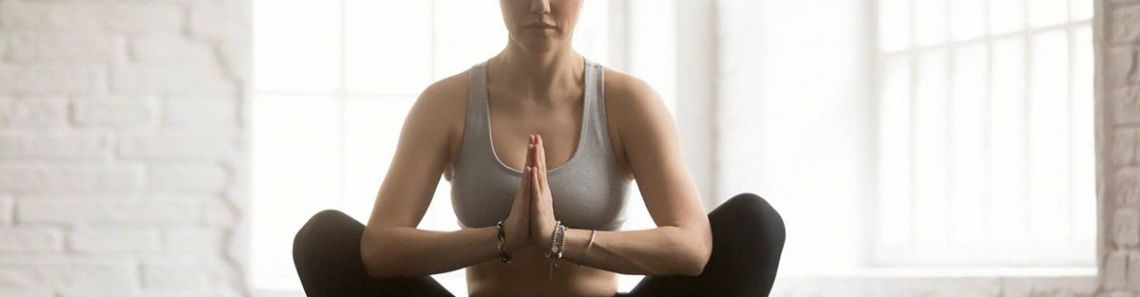
In the practice of yoga, this position has a name: Malasana (The Garland Pose). Here, the teacher Alicia Velasco shows us in Sport Life how to do it and start training it, to return to squatting comfortably and progressively.
Among the most notable benefits of this posture:
- Stretches and releases the back. The lower back is stretched, decompressing the spine and releasing the hips.
- Reduces localized tensions. During the squatting position, the body's weight is distributed evenly, preventing tension from accumulating in certain points.
- Improves posture. Squatting activates the musculature that maintains postural correction, stretching the posterior chain of the back and mobilizing the tibioastragalar joint, which is very important for maintaining balance. It also relieves back and neck pain.
- Relieves constipation. This posture improves digestion, helping to go to the bathroom more regularly and easily.
- Stimulates circulation. When we squat, venous return increases, which can be useful for relieving or preventing circulatory discomfort.
- Promotes the elimination of toxins. It also increases the uptake of the lymphatic system, improving the body's drainage system.
The squatting position improves gastrointestinal health.
WHY IS IT SO HARD FOR US TO SQUAT?
Possibly, at some point, you have asked yourself this question. The reasons can be varied:
- A cultural factor: the fact that squatting is associated with the image of someone from a tribe in an African village, or that of Vietnamese peasants eating rice.
- The way we dress: squatting instead of sitting in an office chair would be very healthy for the hip joint, but the way we dress makes it less feasible to adopt.
- The design of toilets: the holes in the ground require the squatting position that we no longer practice, despite various studies showing that greater hip flexion in this posture correlates with less strain when defecating.
Now, let's practice! We can start by doing it 3 times a day for 10 seconds at first and gradually increase the time until we can stay for at least 1 minute. If you have problems with constipation, this posture is a miracle worker ;-)


Comments
Post a Comment